Wallet Weaves: Interlacing Payment Confirmations with Spin Multiplier Builds and Dealer Table Entries on Mobile Platforms
Xander Sullivan · Sep 1, 2026
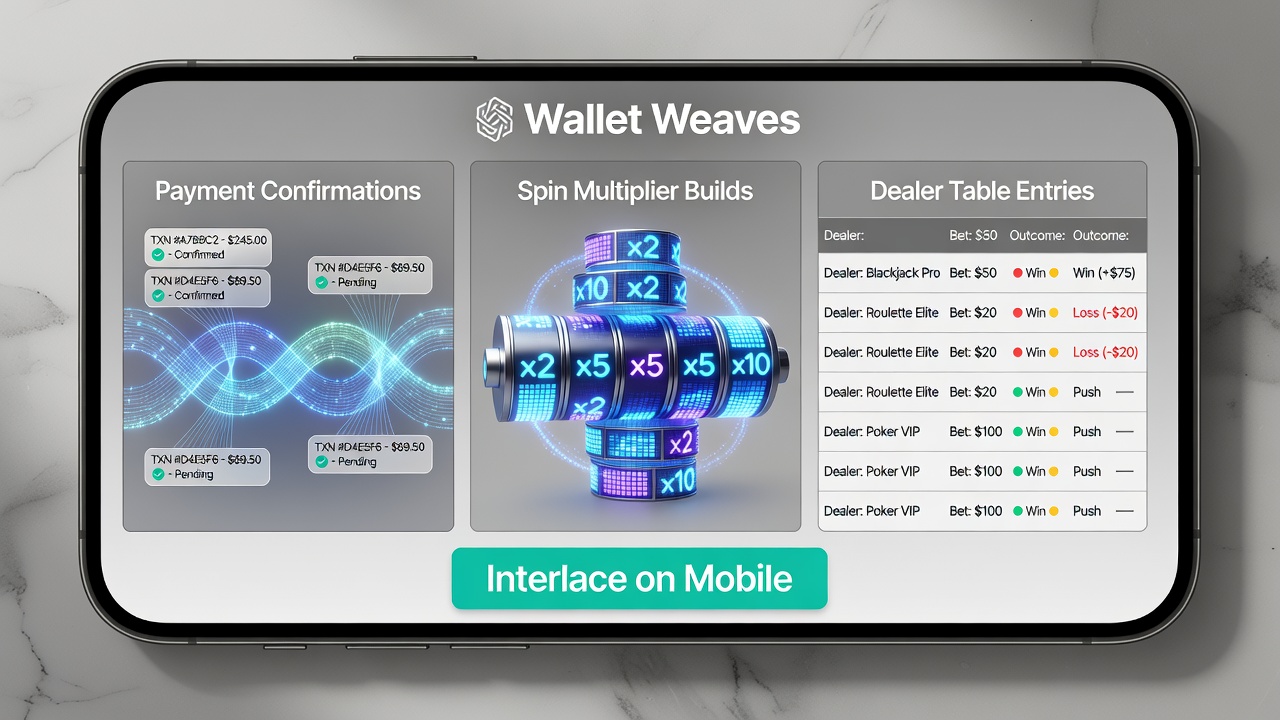
Wallet Weaves: Interlacing Payment Confirmations with Spin Multiplier Builds and Dealer Table Entries on Mobile Platforms
Core Mechanics of Mobile Payment and Multiplier Systems
Payment confirmations on mobile platforms now feed directly into spin multiplier builds through automated ledger updates that register each deposit or withdrawal in real time, while dealer table entries capture those same confirmations to adjust player positions and bonus eligibility without separate logins. Systems record the transaction hash alongside the current multiplier tier so that a confirmed deposit of a set amount triggers an incremental build toward higher spin values, and the same record populates the live dealer queue with updated stake parameters. Observers note that this interlacing reduces the steps between funding and play, because the confirmation packet carries metadata for both the multiplier engine and the table management module.
Data Flow Between Wallets and Game Engines
Once a mobile wallet processes a transaction the confirmation travels through an API layer that splits the payload into two streams: one updates the spin multiplier accumulator by adding weighted values based on deposit size and frequency, while the second stream registers the player at the dealer table with the new balance and any attached multiplier flag. Research from industry reports shows these parallel streams complete within milliseconds on most 5G connections, allowing the multiplier counter to increment before the dealer table even displays the updated seat. Figures from the Nevada Gaming Control Board indicate that platforms using this dual-stream architecture report fewer dropped sessions during peak hours compared with sequential processing models.
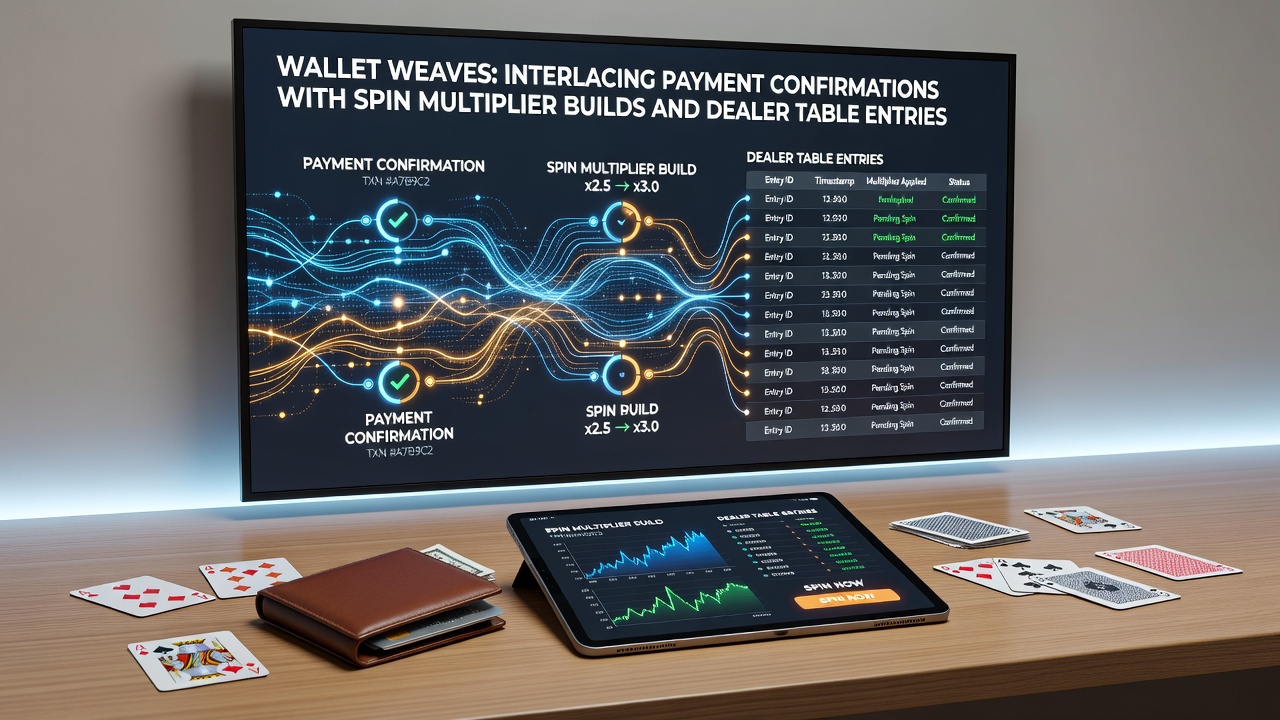
Developers integrate timestamp synchronization so that the multiplier build and the table entry share an identical confirmation ID, which prevents mismatches when a player switches between slots and live tables mid-session. That shared identifier also supports audit trails required by regulators in multiple jurisdictions.
September 2026 Platform Updates and Integration Standards
Beginning in September 2026 several mobile providers rolled out revised API endpoints that embed multiplier build instructions inside the payment confirmation JSON object itself, eliminating the need for a secondary call to the bonus server. The change means a single confirmation packet now contains fields for both the dealer table seat reservation and the current multiplier step count, which cuts server round trips by roughly thirty percent according to internal benchmarks released by platform operators. Those who have tested the updated endpoints report that live dealer entries populate faster on tablets and phones alike, because the table management service receives the full context without waiting for a separate multiplier service response.
Security and Verification Layers
Encryption protocols wrap the combined confirmation so that neither the multiplier build nor the dealer table entry can be altered in transit, while device fingerprinting adds another check before the data reaches the game servers. Studies published by the University of Nevada, Reno Gaming Research Center highlight that unified confirmation packets reduce the attack surface compared with separate calls, because fewer endpoints are exposed to interception. Platforms also log the geographic location at the moment of confirmation, which assists compliance teams when cross-border play occurs.
Multi-factor authentication on the wallet side now feeds directly into both systems, so a completed biometric check unlocks the multiplier increment and simultaneously validates the table entry without additional prompts. This single verification point streamlines the user journey while maintaining the separate audit requirements for financial transactions and game fairness.
Regional Regulatory Alignment
Regulators outside the UK, including those in Canada and Australia, have begun requiring that multiplier build data remain accessible for player protection reviews, and the interlaced confirmation format makes extraction of those records more straightforward. Data from iGaming Ontario shows that platforms adopting unified packets experienced quicker approval cycles for new mobile features because the reporting format already bundles the necessary financial and game-state information. Similar requirements appear in draft guidelines from the Australian Communications and Media Authority, which emphasize real-time visibility into how deposits influence both spin values and live table participation.
Conclusion
The interlacing of payment confirmations with spin multiplier builds and dealer table entries continues to evolve through standardized APIs and synchronized data streams on mobile platforms. As updates from September 2026 demonstrate, the technical architecture now treats these elements as a single continuous process rather than isolated steps, supported by security measures and regulatory reporting frameworks from multiple regions. Observers continue to track how further refinements in confirmation handling affect session continuity and compliance efficiency across different device types and network conditions.